
From Online Visitor to Loyal Customer:
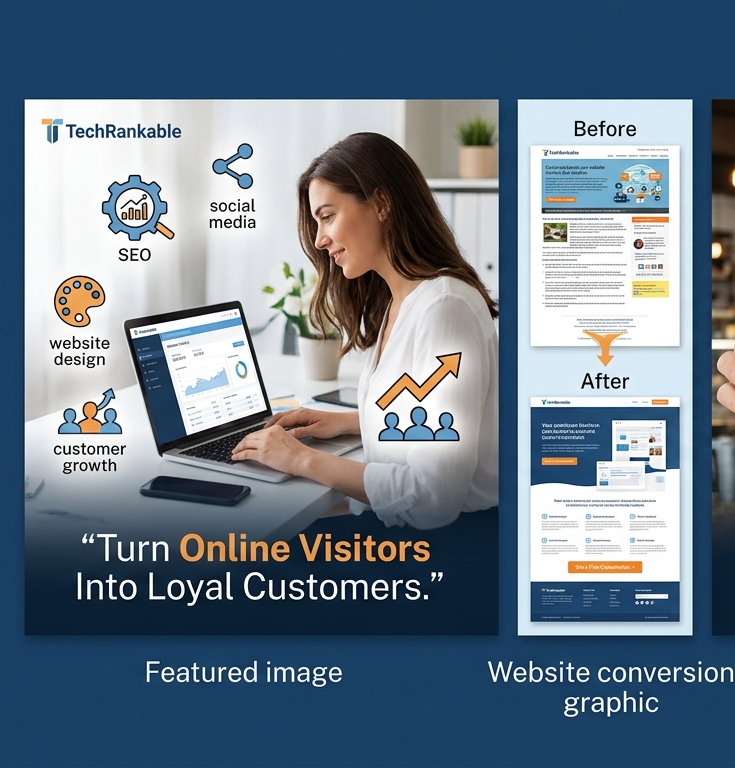
Getting people to visit your website is an important first step—but it is not the final goal.
Thousands of visitors can land on your website every month, but if they leave without making an inquiry, purchasing a product, booking a service, or remembering your brand, that traffic has limited business value.
The real challenge is turning an online visitor into a loyal customer.
A successful digital marketing strategy does more than generate clicks. It creates a journey that builds awareness, trust, engagement, conversion, and ultimately customer loyalty.
In this guide, we’ll explore practical strategies businesses can use to turn website visitors into customers—and customers into repeat buyers.
1. Attract the Right Visitors
Not every visitor is a potential customer.
A website may receive thousands of visitors from people who have no intention of buying. That is why successful digital marketing starts with attracting the right audience, not simply increasing traffic.
Search engine optimization (SEO), content marketing, social media marketing, Google Ads, and local SEO can help businesses reach people who are actively searching for their products or services.
For example, instead of targeting a broad keyword such as “shoes,” a business selling professional footwear might target searches such as:
- “best safety shoes for workers”
- “industrial safety shoes supplier”
- “buy safety shoes online”
- “safety footwear manufacturer”
The more closely your website matches the visitor’s search intent, the greater the chance that visitor will become a customer.
2. Make a Strong First Impression
You may only get one chance to make a good first impression.
When visitors arrive at your website, they immediately evaluate your business based on its design, speed, content, navigation, and overall professionalism.
A modern website should:
- Load quickly on mobile and desktop devices
- Have clear and simple navigation
- Explain what the business offers
- Use professional images and design
- Make contact information easy to find
- Provide clear calls to action
- Build trust through testimonials, reviews, certifications, or case studies
Your website should answer one important question within seconds:
“Why should I choose this business?”
If visitors cannot find the answer quickly, they may leave and choose a competitor instead.
3. Give Visitors a Reason to Stay
Getting someone to visit your website is only half the battle.
Now you need to give them a reason to stay.
Useful, relevant content can turn a casual visitor into an engaged prospect. Blog posts, guides, videos, FAQs, product information, case studies, and helpful resources can demonstrate your expertise while answering the questions customers have before making a purchase.
For example, a digital marketing company could create content such as:
- “How to Improve Your Google Rankings”
- “Why Your Website Isn’t Generating Leads”
- “SEO vs. Google Ads: Which Is Better for Your Business?”
- “How to Turn Website Traffic Into Customers”
Instead of simply selling, the content helps the customer make a better decision.
Educate first. Sell second.
4. Build Trust Before Asking for the Sale
People rarely buy from businesses they don’t trust.
Trust is especially important online because customers cannot always meet you face-to-face before making a decision.
You can build trust by displaying:
- Customer reviews
- Testimonials
- Case studies
- Portfolio examples
- Industry experience
- Certifications and awards
- Clear contact information
- Transparent pricing or service information
- Frequently asked questions
Your website should make visitors feel confident that they are dealing with a legitimate, professional, and reliable business.
A visitor who trusts your brand is far more likely to become a customer.
5. Use Clear Calls to Action
One of the most common website mistakes is making visitors guess what to do next.
If you want visitors to contact you, tell them.
Instead of vague buttons such as “Learn More,” consider action-oriented calls to action such as:
“Get a Free Consultation”
“Request a Quote”
“Book a Meeting”
“Start Your Project”
“Contact Our Team”
Every important page on your website should guide visitors toward the next step.
A clear call to action removes uncertainty and makes the customer journey easier.
6. Make the Conversion Process Simple
Imagine convincing a visitor that your product or service is exactly what they need—then losing them because your contact form has too many fields.
A complicated conversion process can cost you valuable customers.
Keep forms short and simple. Make phone numbers and email addresses easy to find. Optimize your checkout process. Make sure your website works properly on mobile devices.
The easier you make it for people to contact or buy from you, the fewer potential customers you will lose.
7. Personalize the Customer Experience
Modern customers expect businesses to understand their needs.
Personalization can be as simple as showing relevant content based on a visitor’s interests or recommending products related to their previous activity.
For B2B businesses, personalization could mean creating dedicated landing pages for different industries.
For example:
Digital Marketing for Manufacturers
SEO for E-commerce Businesses
Web Development for B2B Companies
When visitors see content that directly addresses their situation, they are more likely to feel that your business understands them.
8. Don’t Let Visitors Disappear
Not every visitor will buy on their first visit.
Some may need days or weeks to compare options, discuss the purchase with their team, or build enough confidence to contact you.
That is why remarketing and follow-up strategies are important.
Businesses can reconnect with potential customers through:
- Email marketing
- Remarketing campaigns
- Social media
- Educational content
- Special offers
- Follow-up messages
- Helpful newsletters
The objective is not to constantly bombard people with advertisements.
Instead, stay useful and relevant until they are ready to take the next step.
9. Turn Customers Into Repeat Customers
Getting the first sale is only the beginning.
A loyal customer can generate significantly more value over time through repeat purchases, renewals, upgrades, referrals, and recommendations.
After a customer makes a purchase, continue the relationship.
You can:
- Follow up after the purchase
- Ask for feedback
- Provide helpful support
- Share useful information
- Offer loyalty rewards
- Recommend relevant products or services
- Thank customers for their business
A great customer experience can turn a one-time buyer into a long-term brand advocate.
10. Measure the Entire Customer Journey
Traffic alone does not tell you whether your digital marketing is working.
You should track what happens after visitors arrive.
Important metrics include:
- Website traffic
- Engagement rate
- Conversion rate
- Leads generated
- Cost per lead
- Sales
- Repeat purchases
- Customer acquisition cost
- Customer lifetime value
For example, increasing website traffic from 10,000 to 20,000 visitors sounds impressive.
But if conversions remain the same, the additional traffic may not be producing meaningful business growth.
The better question is:
“How many visitors are becoming customers?”
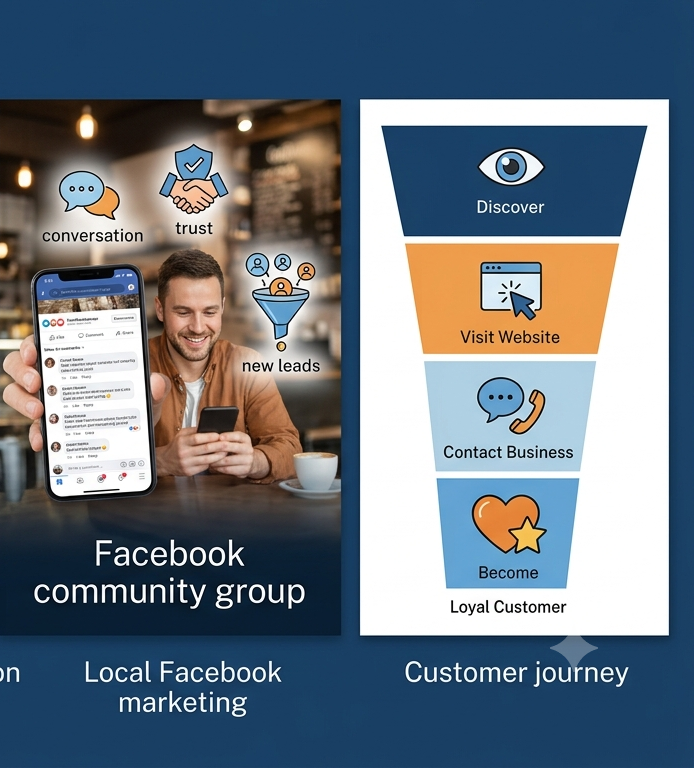
The Customer Journey: From Click to Loyalty
A successful digital strategy creates a journey:
Search → Website Visit → Engagement → Trust → Conversion → Great Experience → Repeat Purchase → Loyalty
Each stage matters.
SEO helps people discover your business.
A fast, professional website creates a strong first impression.
Useful content builds engagement.
Testimonials and social proof establish trust.
Clear calls to action encourage conversions.
Excellent customer service creates satisfaction.
Follow-up and personalization encourage repeat business.
When these elements work together, your website becomes more than an online brochure. It becomes a powerful customer acquisition and retention engine.
Final Thoughts
Turning an online visitor into a loyal customer does not happen with one marketing tactic.
It requires a complete strategy that combines visibility, website experience, valuable content, trust, conversion optimization, follow-up, and customer service.
The goal isn’t simply to get more visitors.
The goal is to get the right visitors, give them a great experience, earn their trust, and create a reason for them to come back.
If your website is attracting traffic but failing to generate enough leads or customers, it may be time to look beyond traffic numbers and focus on the complete customer journey.
With the right SEO, website development, content marketing, advertising, and conversion strategy, your online presence can move from simply being visible to becoming a consistent source of business growth.
At TechRankable, the focus is on helping businesses improve online visibility, attract qualified prospects, and build digital strategies designed for long-term growth.
